
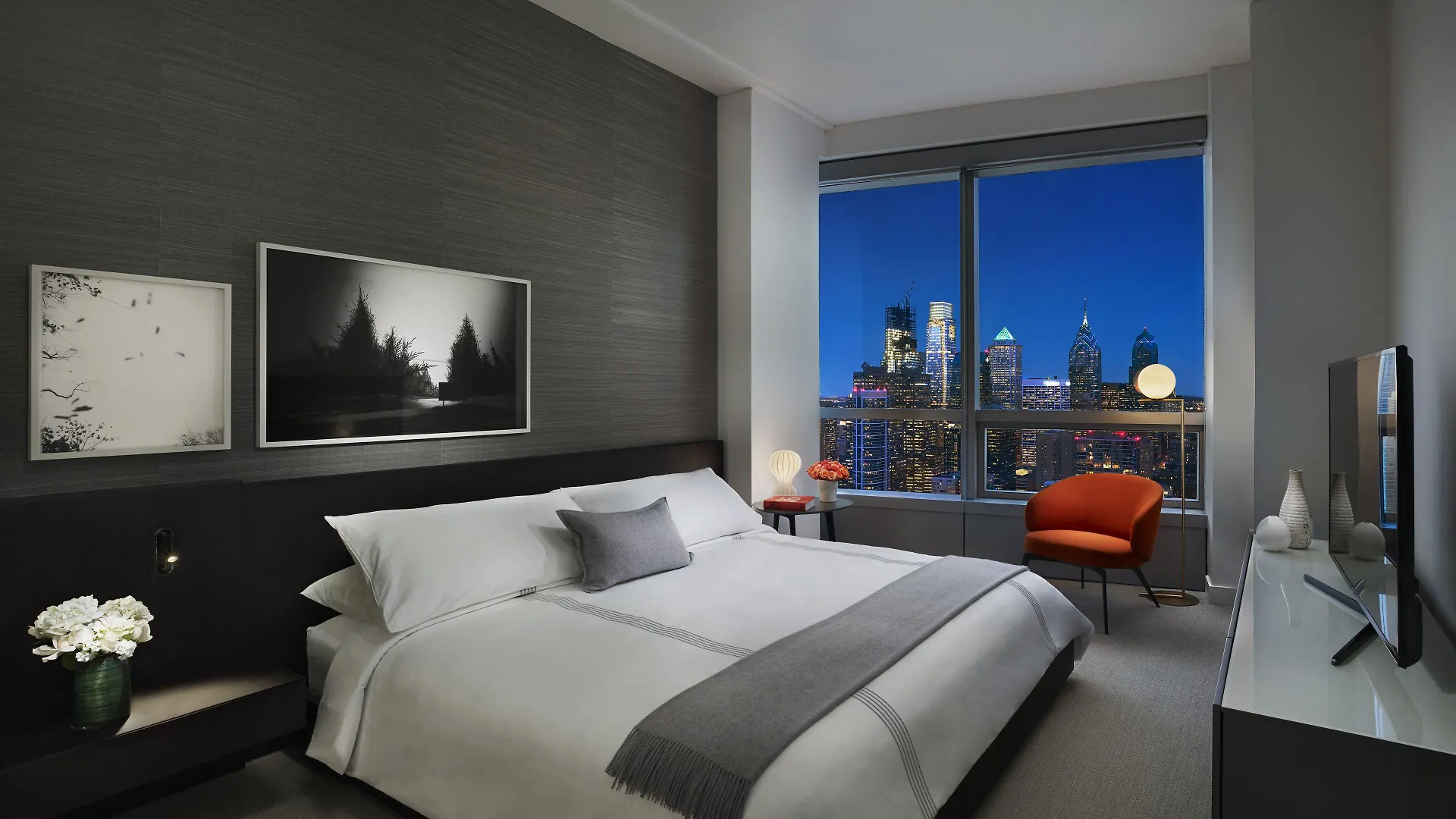
Staying near the University of Pennsylvania puts you in one of Philadelphia's most walkable and intellectually active corridors - the University City neighborhood on the west side of the Schuylkill River. Whether you're visiting campus for academic events, attending conferences at nearby institutions, or using it as a base to explore Center City, the area offers solid transit links and a dense urban rhythm that rewards strategic hotel selection.
What It's Like Staying Near University of Pennsylvania
The streets surrounding the University of Pennsylvania - particularly Walnut Street, Spruce Street, and 34th to 40th Street - form a compact academic neighborhood with coffee shops, bookstores, and casual dining that stays active during the academic year. SEPTA's Market-Frankford Line connects the area to Center City in under 10 minutes, making it genuinely practical to stay here even if your main agenda is downtown Philadelphia. Foot traffic peaks during campus events, graduation season, and Penn Medicine appointment days, so expect busier sidewalks and tighter parking availability around those periods.
University City is notably safe by urban standards, well-lit, and walkable for evening movement - a real operational advantage for visitors arriving late or departing early. Around 80% of major Philadelphia attractions are reachable within 20 minutes by transit from this neighborhood, which is a strong case for basing yourself here rather than paying a premium for Market Street addresses.
Pros:
Direct SEPTA rail access to Center City, 30th Street Station (Amtrak), and Philadelphia Airport without needing a cab
Walkable neighborhood with pharmacy, grocery, and dining options concentrated along Walnut and Chestnut Streets
Significantly lower hotel rates than comparable rooms in Center City or Old City for the same booking window
Cons:
Hotel density is lower here than downtown, so availability narrows fast during Penn graduation, homecoming, and hospital event weeks
Rideshare surges during peak university events can push transfer costs higher than expected
The neighborhood quiets noticeably in summer when the student population thins out, reducing dining and evening options
Why Choose Central Hotels Near University of Pennsylvania
Central hotels near the University of Pennsylvania don't cluster exclusively in University City - some of the most strategically positioned options sit in adjacent districts like Old City, Center City, and Callowhill, all reachable from campus in under 20 minutes via SEPTA or rideshare. This broader "central Philadelphia" footprint gives visitors access to the full infrastructure of the city while maintaining proximity to Penn's campus for early-morning or multi-day commitments. Extended-stay and apartment-style properties are particularly well-represented in this corridor, offering full kitchens and in-unit laundry at rates that undercut traditional hotel rooms by around 25% on longer bookings.
Standard hotel rooms in central Philadelphia near the university tend to run between well-appointed mid-range and upscale tiers, with room sizes that are larger than comparable Manhattan or Boston properties at the same price point. The trade-off is that boutique or luxury options are sparse directly on campus - most higher-end inventory is concentrated toward Center City, meaning a short transit hop is often built into the stay. Noise levels vary sharply by block: properties on Chestnut or Walnut Street face street-level activity, while those set back or on upper floors deliver a noticeably quieter experience.
Pros:
Apartment-style units with full kitchens give multi-night visitors genuine cost savings over restaurant meals
Central Philadelphia hotels offer competitive rates compared to East Coast academic city equivalents like Boston or New York
Proximity to 30th Street Station makes rail travel to New York, Washington D.C., and Baltimore frictionless from this base
Cons:
Parking costs in central Philadelphia are high - budget an extra daily fee if arriving by car
Hotel options directly on the Penn campus perimeter are limited, meaning most stays involve at least a short transit leg
High-demand event weeks cause rates to spike sharply with very short booking windows available
Practical Booking & Area Strategy
For the closest walkable access to University of Pennsylvania, properties along Walnut Street between 30th and 40th Street in University City are your primary target - AKA University City sits directly in this corridor, within 1 km of campus. If you prioritize downtown connectivity over walking distance to Penn, Center City properties along Market Street or Chestnut Street (between Broad and 10th) put you a 10-minute SEPTA ride away while offering broader dining and entertainment access at night. Callowhill, just north of Market Street, is an emerging district with quieter streets and slightly softer hotel rates than prime Center City blocks.
Book at least 6 weeks ahead for visits during Penn's commencement (typically mid-May), Penn Relays weekend, and the Philadelphia Marathon in November - these windows see central hotels sell out with prices elevated by around 40%. The area around 30th Street Station deserves specific attention: it's the transit hub connecting SEPTA Regional Rail, Amtrak, and the Market-Frankford subway line, and hotels within a 10-minute walk of it give you maximum flexibility without needing a car. For evening activity, the Rittenhouse Square area (accessible by a short walk east along Walnut Street from University City) provides the densest concentration of restaurants and bars within reach of a Penn-adjacent base.
Nearby attractions worth factoring into your stay: the Philadelphia Museum of Art is about 2 km north of University City along the Benjamin Franklin Parkway, the Barnes Foundation sits in the same direction, and Drexel University shares the campus boundary with Penn on the eastern side. Old City - home to Independence Hall and Liberty Bell - is most efficiently reached via the Market-Frankford Line rather than on foot.
Best Value Stays
These properties offer strong location positioning relative to University of Pennsylvania and central Philadelphia, with apartment-style formats or competitive rates that make multi-night stays financially practical.
-
1. Aka University City
Show on map


 Check-infrom 15:00 until 23:59Check-outuntil 11:00
Just a few rooms left at the best rate!
fromUS$ 285
-
2. Sosuite At Independence Lofts - Callowhill
Show on map


 Check-infrom 16:00 until 23:59Check-outuntil 11:00
Just a few rooms left at the best rate!
fromUS$ 89
-
3. Lokal Hotel Old City
Show on map


 Check-infrom 15:00 until 23:00Check-outuntil 11:00
Hurry – almost gone at this price!
fromUS$ 315
Best Premium Stay
For travelers who want a full-service downtown hotel with meeting infrastructure, restaurant dining, and classic Philadelphia architecture within a short transit ride of University of Pennsylvania, this option leads the category.
-
4. Courtyard By Marriott Philadelphia Downtown
Show on map


 Check-infrom 15:00 until 23:59Check-outuntil 12:00
Rooms filling fast – secure the best rate!
fromUS$ 149
Smart Travel & Timing Advice for University of Pennsylvania Visitors
The University of Pennsylvania operates on a standard academic calendar, which creates very predictable demand spikes for nearby hotels. Mid-May commencement weekend is the single highest-demand window of the year - central Philadelphia hotels within transit reach of campus can sell out entirely, with rates elevated sharply and availability disappearing 8 weeks or more before the date. The Penn Relays in late April and the Philadelphia Marathon in November create secondary spikes that catch many visitors off guard, particularly for Old City and Center City properties that fill from multiple demand sources simultaneously.
The quietest and most affordable booking windows fall in January through early March and in late August before the fall semester begins - these periods offer the best rate-to-quality ratio across all property types listed here. Summer is moderate: campus activity drops, but Philadelphia's broader tourism season keeps occupancy steady at Convention Center-adjacent hotels like the Courtyard Downtown. A minimum stay of two nights is practical for most Penn-related visits; single-night bookings rarely justify the transit or logistical overhead of arriving in Philadelphia. For last-minute bookings during non-peak weeks, apartment-style properties like AKA University City and Sosuite at Callowhill tend to hold availability longer than traditional hotel rooms, making them a more reliable fallback option.


