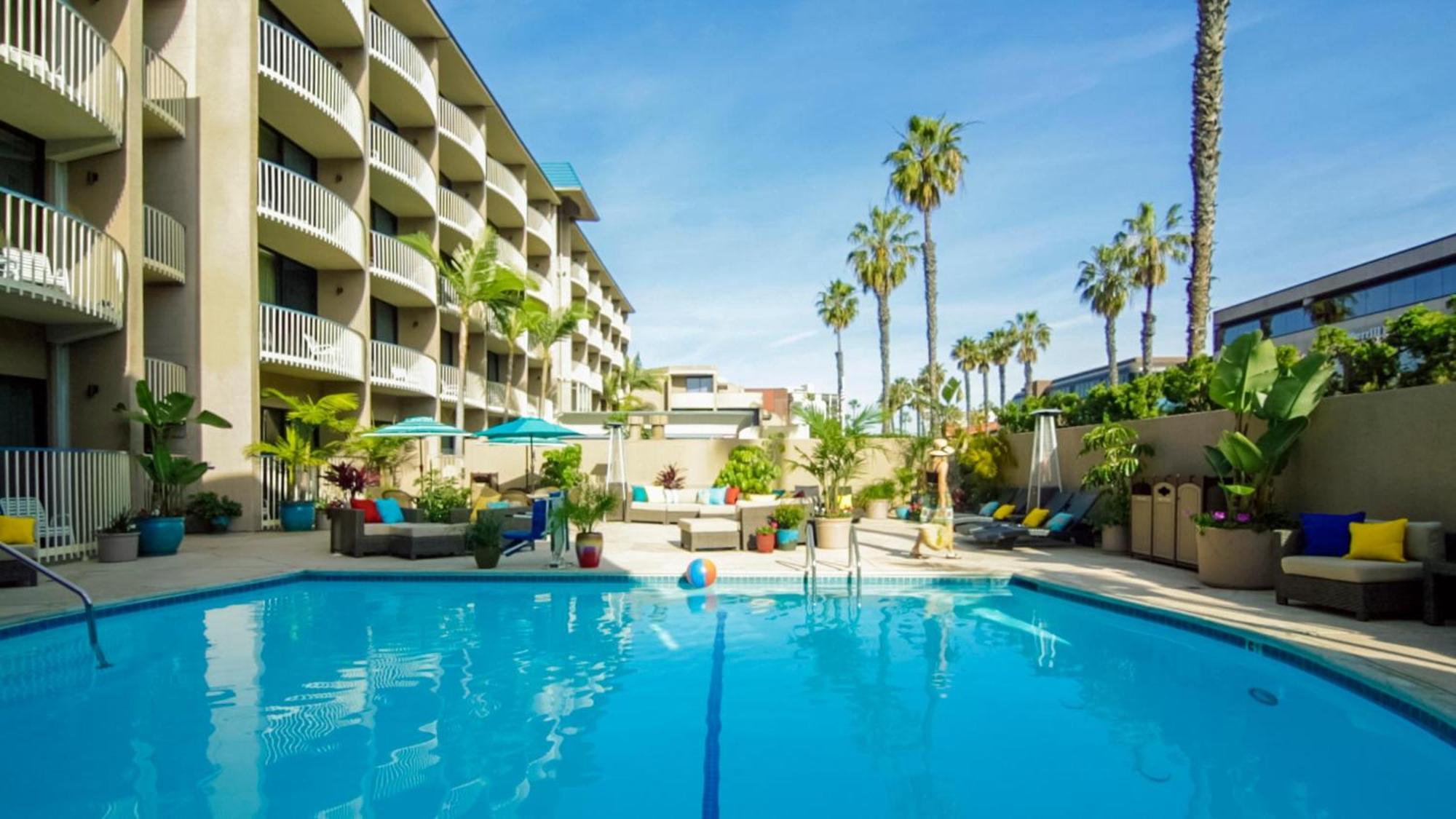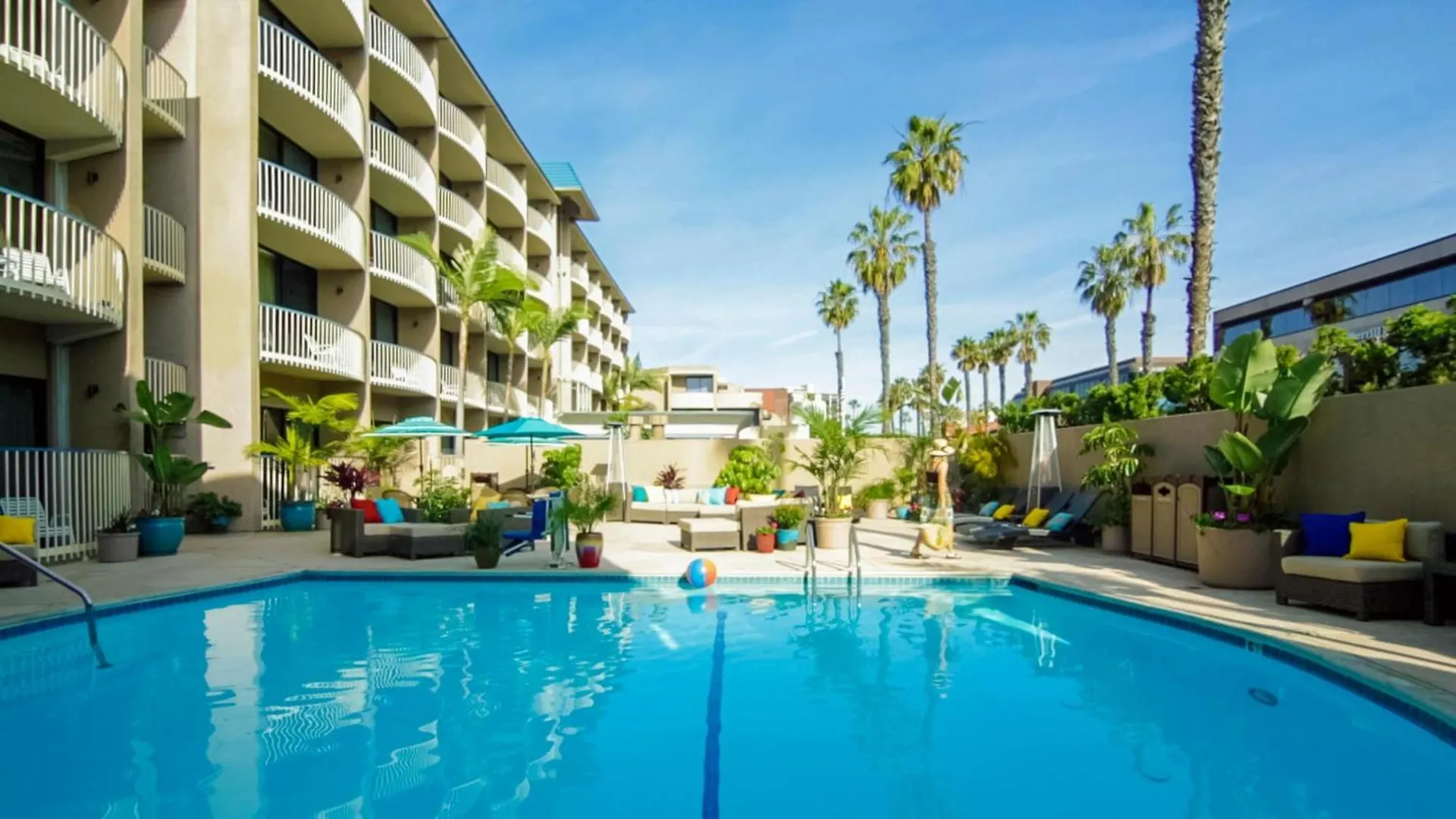
La Jolla concentrates some of San Diego's most architecturally distinctive hotels within a compact coastal village where the Pacific sets the tone for nearly every design decision. From jewel-toned European boutique interiors to panoramic cove-facing suites with private balconies, the design hotels here are built around the landscape rather than despite it. This guide breaks down exactly what each property delivers, who it suits, and where each sits relative to the water, the village, and San Diego's wider attractions.
What It's Like Staying in La Jolla
La Jolla operates on a slower, more deliberate pace than downtown San Diego - the village core along Prospect Street and Girard Avenue is walkable, boutique-dense, and largely free of the congestion that defines the Gaslamp Quarter. Almost every design hotel here sits within three blocks of the ocean, which means coastal access is genuinely on foot, not theoretical. Getting to San Diego Zoo or Balboa Park requires a car or rideshare, with most attractions sitting around 20 minutes away by road.
The area attracts a mix of couples, remote workers, and returning visitors who already know San Diego and want a quieter, more curated base. Those looking for nightlife density or convention-district proximity will find La Jolla's rhythm too residential.
Pros:
- Walkable access to La Jolla Cove, the Children's Pool, and Prospect Street dining without needing a vehicle
- Design hotels here are genuinely differentiated - ocean-view balconies, boutique interiors, and rooftop venues are standard, not premium add-ons
- Significantly quieter at night than Mission Beach or the Gaslamp Quarter, making it a functional base for light sleepers and longer stays
Cons:
- No direct public transit connection to downtown San Diego - rideshare or rental car is necessary for broader city exploration
- Parking in the village core is limited and competitive during summer weekends
- Dining and retail options, while high quality, are concentrated within a small radius - variety runs out quickly for longer stays
Why Choose a Design Hotel in La Jolla
Design hotels in La Jolla aren't trading on a theme - the architecture and interiors respond directly to the coastal setting, with ocean-facing balconies, curated color palettes, and spaces built to frame the Pacific rather than compete with it. Nightly rates at boutique design properties here typically run higher than comparable San Diego hotel districts, but the trade-off is direct beach access and rooms with genuine spatial identity. Standard rooms at the properties in this guide range from intimate inn-style layouts to full suites with separate living areas and panoramic cove views.
The key differentiator from Mission Beach or Pacific Beach stays is the village infrastructure: La Jolla's design hotels sit embedded in a walkable cultural zone with galleries, independent restaurants, and the cove itself, rather than on a generic strip. Noise levels are lower, crowd profiles are older and calmer, and the design language of the hotels reflects that positioning. Budget travelers expecting value-tier pricing will find around 30% higher rates here than equivalent beachside options further south.
Pros:
- Boutique scale means fewer than 50 rooms at several properties - access to staff, parking, and amenities is less competitive than at large resort hotels
- Interior design is contextually driven - ocean colors, natural materials, and balcony configurations that make the room itself part of the La Jolla experience
- On-site dining at several properties (Italian restaurant, rooftop bar, in-room breakfast delivery) reduces the need to leave the property for meals
Cons:
- Smaller boutique properties lack the pool infrastructure and spa depth of full-service La Jolla resort hotels
- Some design rooms prioritize aesthetics over storage - packing light is advisable for longer stays
- Premium ocean-view rooms book out weeks ahead during July and August, limiting last-minute flexibility
Practical Booking & Area Strategy
The strongest micro-location in La Jolla for design hotels is the stretch between Prospect Street and Coast Boulevard - properties here sit within a short walk of La Jolla Cove, the seal colonies at Children's Pool, and the cluster of galleries and restaurants on Girard Avenue. Staying on or near Coast Boulevard places you within direct walking distance of the cove and the coastal trail, which runs north toward Torrey Pines State Reserve. For guests planning day trips to Torrey Pines Golf Course or the Salk Institute, both are around 15 minutes by car from the village center.
San Diego International Airport is approximately 15 kilometers from La Jolla - a rideshare runs around 25 minutes outside peak hours, longer during weekday mornings. Book design hotel rooms in La Jolla at least 6 weeks ahead for summer stays; the village has limited total room inventory compared to Mission Valley or downtown San Diego, and the best cove-view configurations at boutique properties sell out well before peak season. Shoulder season - October through November and March through April - offers the same coastal access with meaningfully lower nightly rates and thinner weekday crowds on the waterfront trail.
Best Value Design Stays
These properties deliver La Jolla's coastal design character at the more accessible end of the local pricing spectrum - ocean proximity and boutique interiors without the full-suite premium.
-
1. Scripps Inn
Show on map


 Check-infrom 16:00 until 23:59Check-outfrom 08:00 until 11:00
Just a few rooms left at the best rate!
fromUS$ 329
-
2. Inn By The Sea, La Jolla
Show on map


 Check-infrom 16:00 until 23:59Check-outuntil 12:00
Just a few rooms left at the best rate!
fromUS$ 135
-
3. Empress Hotel La Jolla
Show on map


 Check-infrom 16:00 until 23:59Check-outuntil 11:00
Hurry – almost gone at this price!
fromUS$ 167
Best Premium Design Stays
These properties sit at the upper end of La Jolla's boutique hotel spectrum - cove-facing suites, rooftop venues, and design concepts built directly around the coastal landscape.
-
4. La Jolla Cove Suites
Show on map


 Check-infrom 16:00 until 23:59Check-outuntil 11:00
Hurry – almost gone at this price!
fromUS$ 134
-
5. Cormorant Boutique Hotel
Show on map


 Check-infrom 15:00 until 23:59Check-outuntil 11:00
Rooms filling fast – secure the best rate!
fromUS$ 279
Smart Travel & Timing Advice for La Jolla
La Jolla's peak season runs from late June through August, when ocean temperatures are most inviting and visitor density at La Jolla Cove reaches its annual high - book design hotel rooms at least 6 weeks ahead for any July or August stay, particularly for cove-view suites and balcony-facing rooms at beachfront properties. Nightly rates during peak summer can run around 40% above the same room in October or March. The shoulder seasons on either side of summer - late September through November and March through May - offer consistent coastal weather, thinner crowds on the waterfront trail, and meaningfully lower rates without sacrificing the core La Jolla experience.
A stay of 3 nights gives enough time to cover La Jolla Cove, the coastal trail to Torrey Pines, a day trip to the San Diego Zoo or Balboa Park, and evenings in the village without feeling rushed. Last-minute availability in La Jolla is genuinely rare in summer given the small total room inventory across boutique properties - this is not a market where last-minute deals reliably appear. Winter weekdays (January and February) are the quietest period, with easier parking, uncrowded trails, and the possibility of grey whale sightings from the cove.